
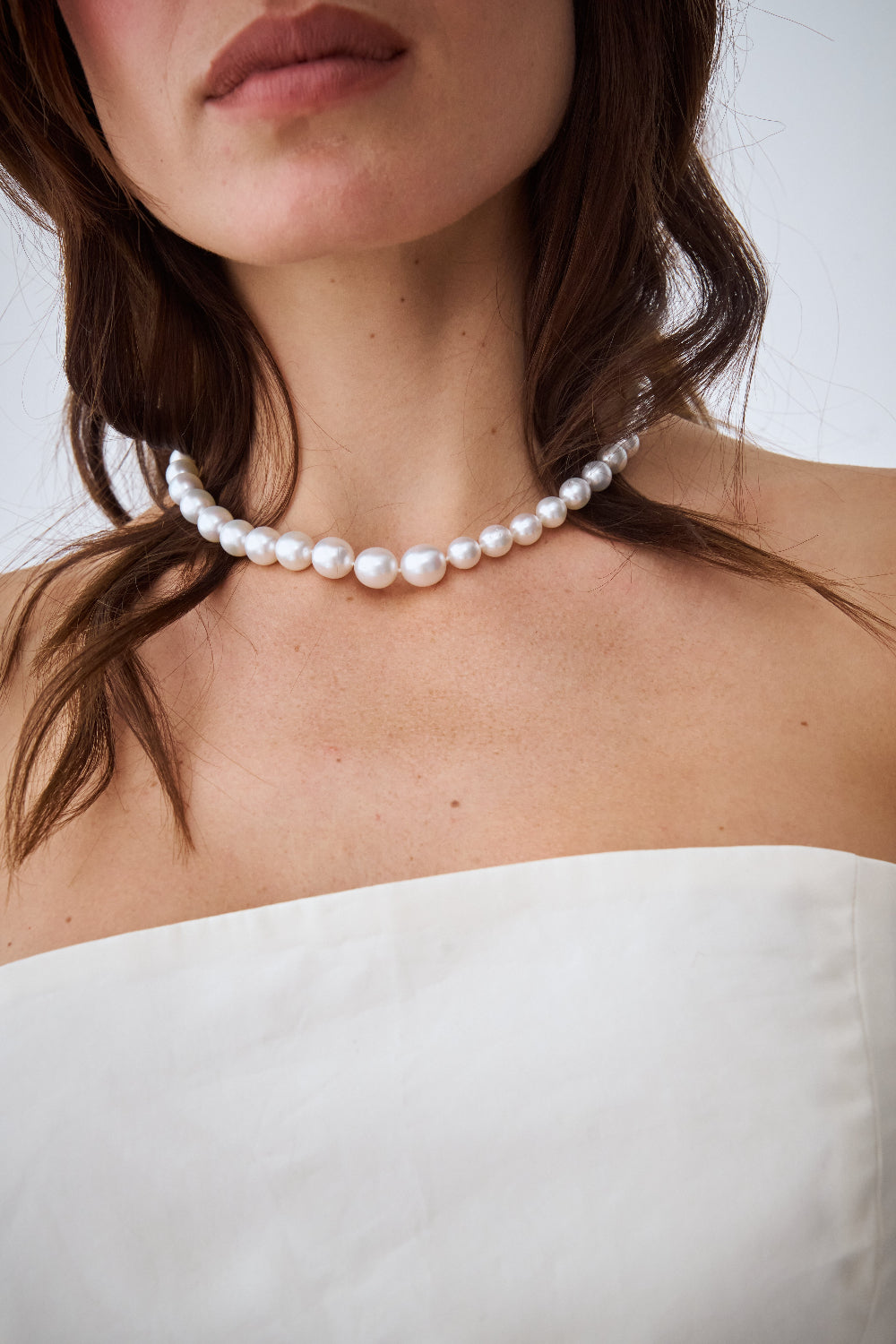
How Much Are South Sea Pearls Worth? A Pricing & Value Guide
South Sea pearls are the most valuable cultured pearls in the world, but “valuable” isn’t one price. A single South Sea pearl can be worth anywhere from a few hundred dollars to tens of thousands, and the difference comes down to a handful of measurable factors. Here’s what actually drives the price, explained by a family that has farmed South Sea pearls since 1991.
The five factors that set a pearl's value
Every South Sea pearl is priced against the same five qualities used in the AUTORE Five S's™ the world's first comprehensive South Sea pearl classification system, developed by Rosario Autore & the AUTORE Group in 2007.
- Shine (lustre) - the most important value. A pearl graded Brilliant lustre commands a significant premium over one graded Average, because lustre is what gives a pearl its glow and is its natural beauty.
- Surface - pearls with fewer visible blemishes are rarer and more valuable, though small natural ‘beauty marks’ are expected and perfectly clean pearls are rare.
- Shade - white, silver and gold are the classic South Sea shades; intense, rich pink hues typically carries a premium over plain white tones.
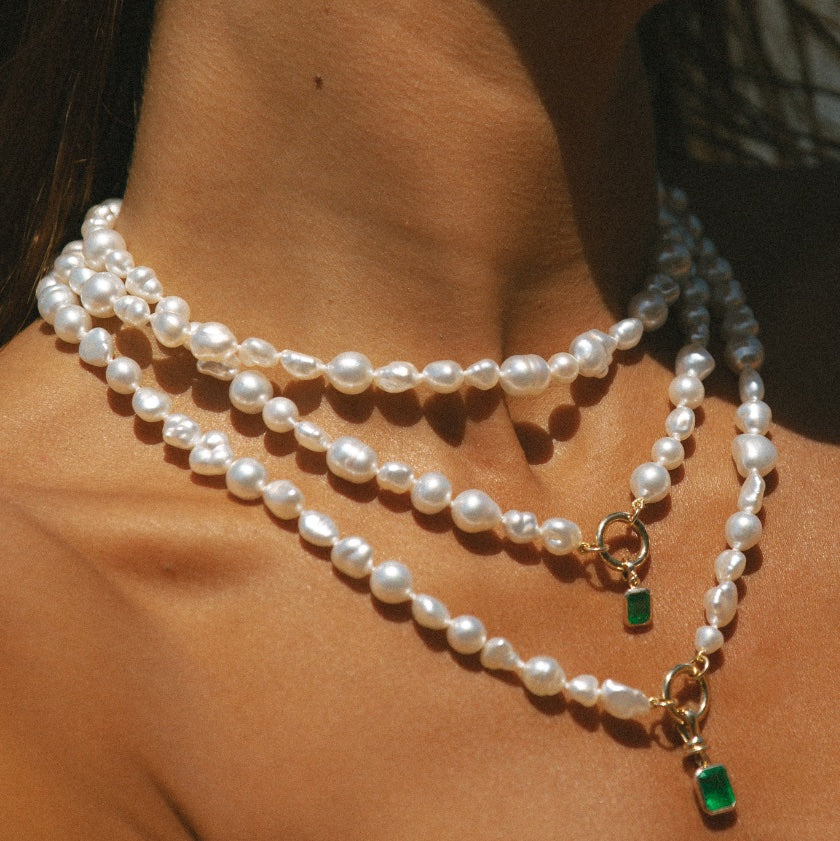
- Shape - round pearls are the rarest naturally occurring shape and the most valuable, followed by near-round & drop.
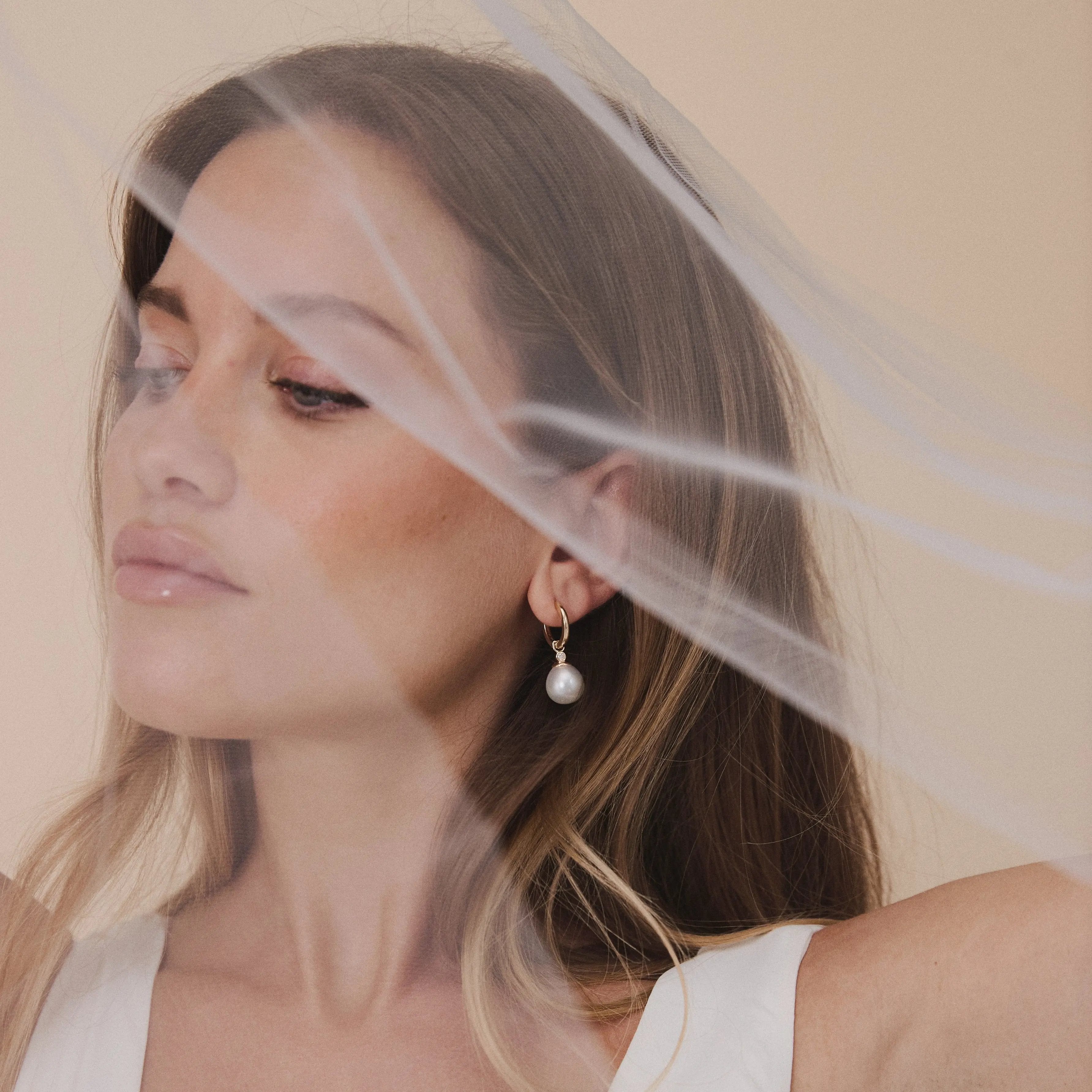
- Size - South Sea pearls range from 7/8mm to 20mm+; value increases with size, since larger pearls are far less common.
Why South Sea pearls cost more than other pearl types
South Sea pearls are grown in the Pinctada maxima, the largest pearl-producing oyster, over roughly two years, longer than Akoya or freshwater pearls. Fewer pearls are harvested per farming cycle, and the oyster can only be seeded a handful of times in its life. That scarcity, combined with size and lustre, is why South Sea pearls sit at the top of the pearl value hierarchy.
What affects the price of a finished piece
Beyond the pearl itself, a few other factors shape what you'll pay for a finished piece of jewellery:
- Matching - a strand or pair of earrings made from closely matched pearls (in size, shade and lustre) costs more than mismatched pearls, because matching is labour-intensive and not easy!
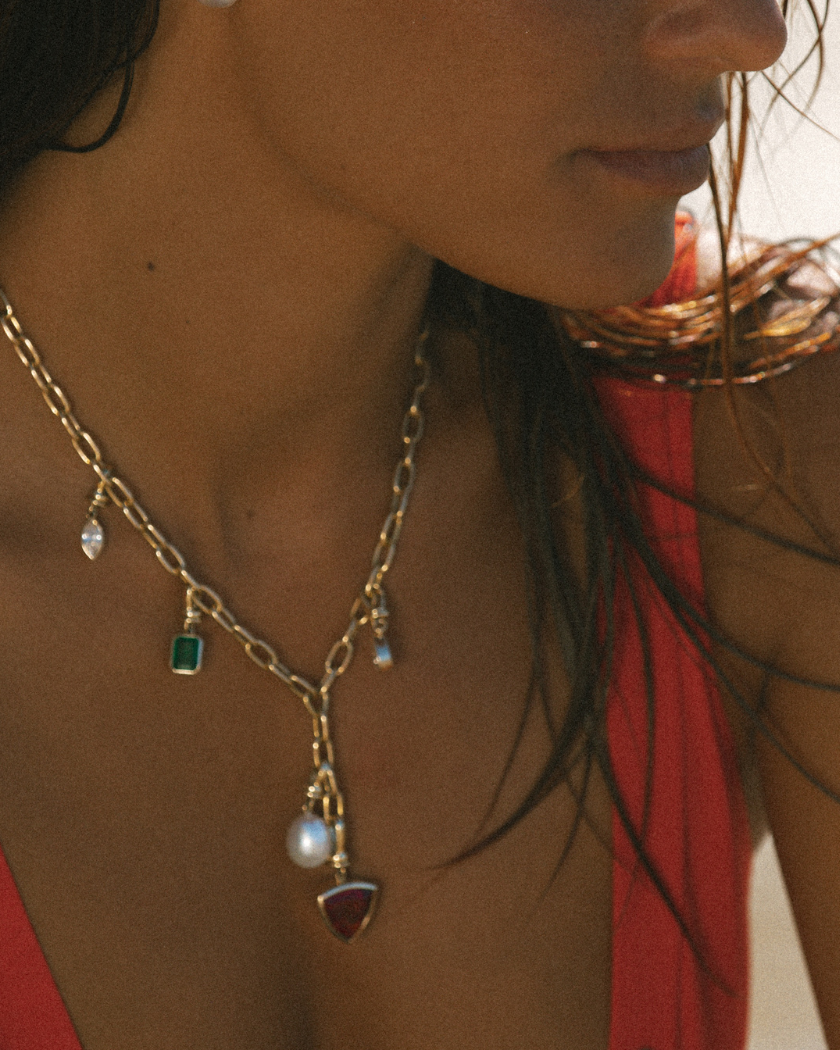
- Metal and setting - sterling silver, gold vermeil and solid gold settings carry different price points independent of the pearl itself.
- Provenance and traceability - pearls sourced directly from a known farm, with a documented chain from harvest to finished piece, typically carry more confidence and value than pearls of unknown origin.
Frequently Asked Questions
How much does a South Sea pearl necklace cost?
Prices vary widely based on pearl size, lustre grade, shape and how closely the strand is matched, along with the metal used in the clasp. Larger, rounder, high-lustre strands sit at the top of the range.
What makes one South Sea pearl more valuable than another?
The same five qualities used in the AUTORE Five S's™ grading system gives a breakdown indication of how to value a pearl and what makes a pearl valuable. Generally speaking, the larger, brighter, rounder & cleaner pearl commands a premium.
Are South Sea pearls more expensive than Akoya or freshwater pearls?
Yes. South Sea pearls are the most valuable cultured pearl variety.
Does pearl shape affect price?
Yes, round pearls are the rarest naturally occurring shape and typically the most valuable, followed by near-round and oval/ drop shapes.
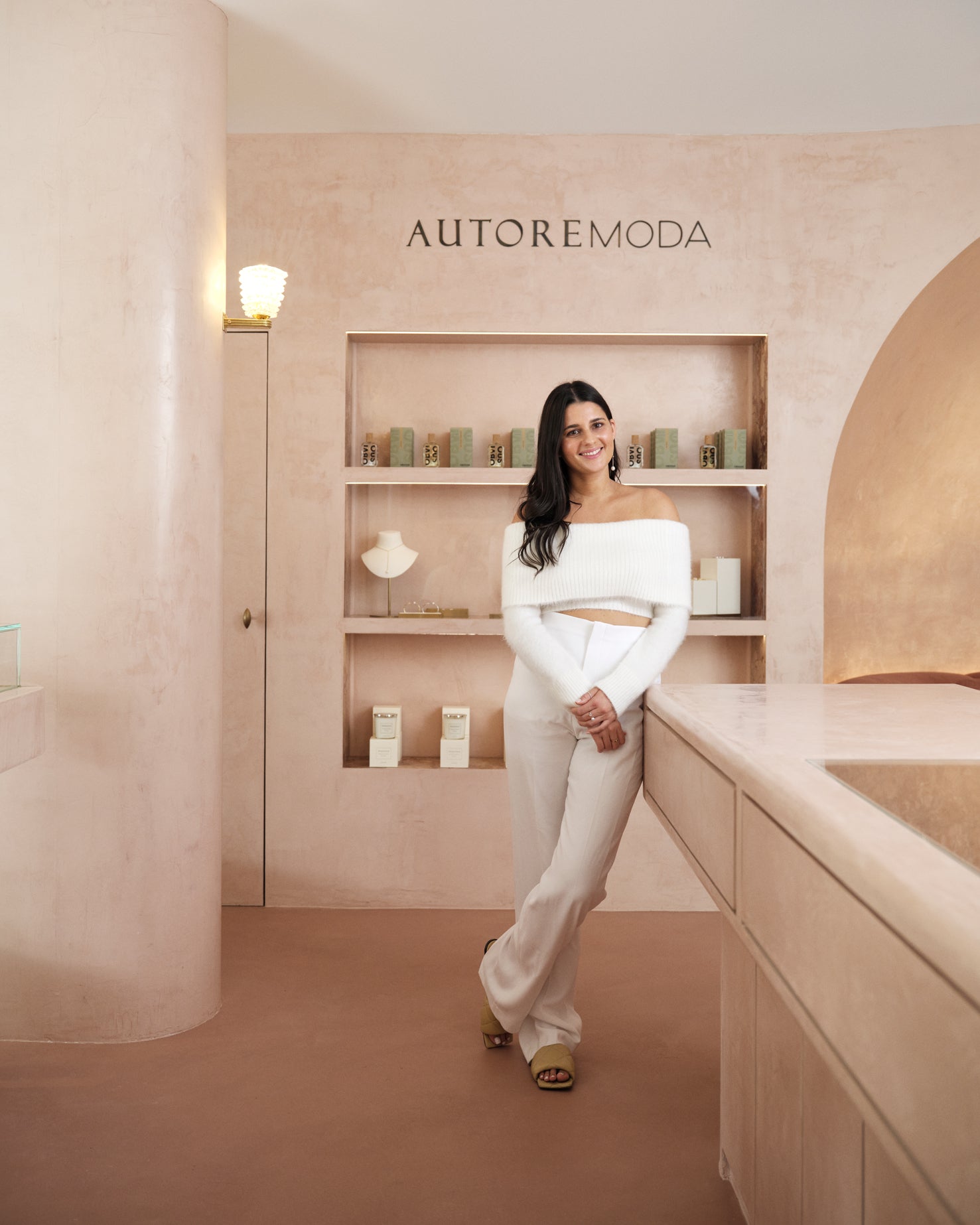
Every AUTORE MODA piece is graded under the Five S's™ system and sourced directly from the affiliated AUTORE Group farms in Australia and Indonesia. Explore AUTORE MODA's South Sea pearl jewellery collection.