Skip to content

Cart

Your cart is empty

Continue shopping
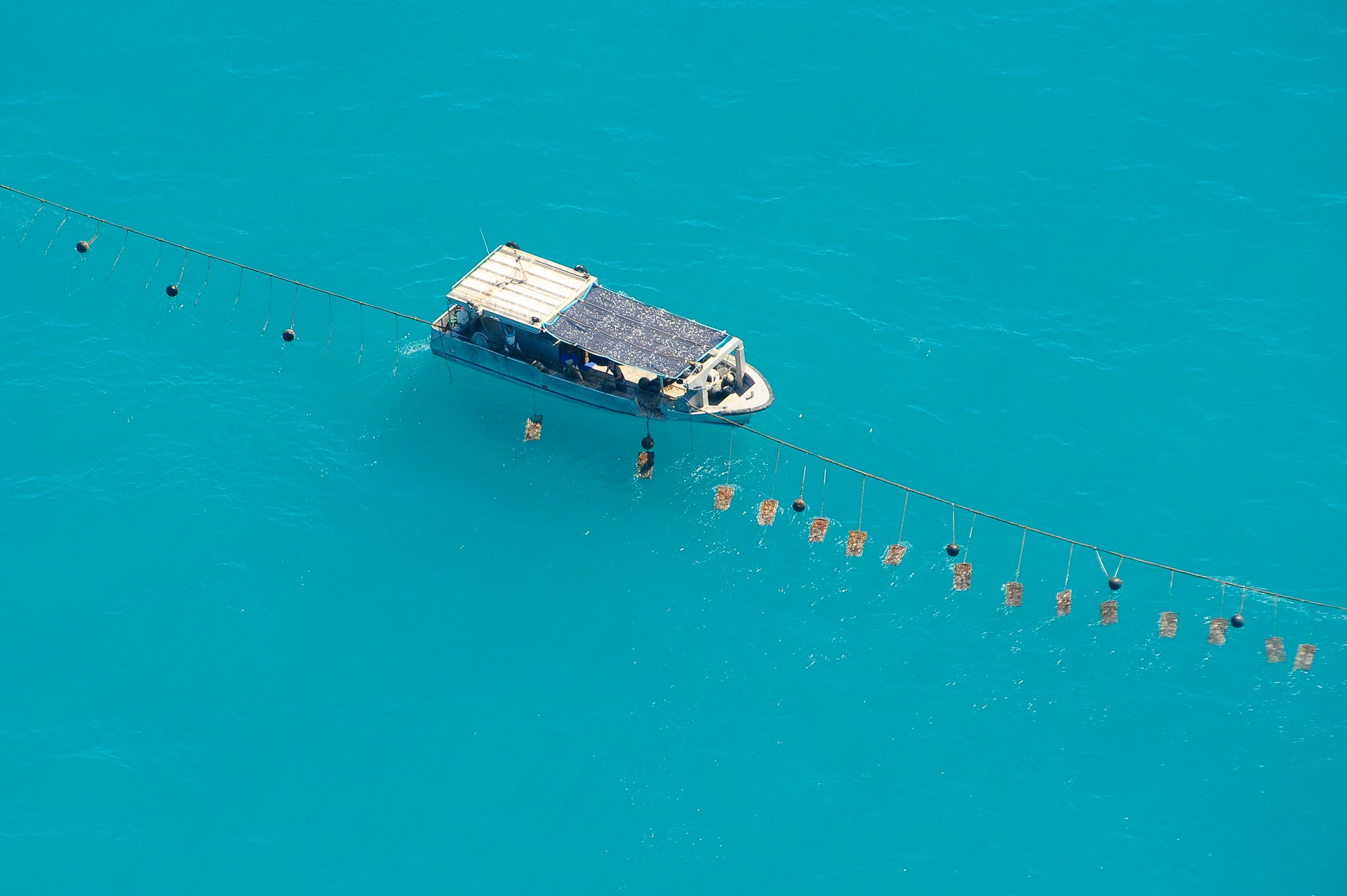
Aerial view of a pearl farming vessel tending a line of South Sea pearl oysters
Understanding the DifferenCE

THE 4 PEARL SPECIES

While all pearls are formed by molluscs, not all pearls are the same. The species of oyster or mussel, where it is grown, and how long it spends cultivating all influence a pearl's appearance, rarity and value. The four main categories of cultured pearls are South Sea, Akoya, Tahitian and Freshwater pearls.

South Sea pearls

South Sea pearls are the rarest and most prestigious cultured pearls in the world. Cultivated in the Pinctada maxima oyster, they are renowned for their exceptional size, thick nacre and rich, satin-like lustre. Their limited annual production and lengthy cultivation make them the pinnacle of luxury pearls.

Species: Pinctada maxima
Origin: Australia, Indonesia & the Philippines
Typical Size: 8–20mm+
Colour: White, Silver & Gold
Known For: Exceptional size, thick nacre, luxurious lustre and rarity
Price: Premium

Tahitian pearls

Tahitian pearls are famous for their naturally dark body colours and striking overtones. Cultivated in the black-lipped oyster, these pearls display an extraordinary range of colours, making each pearl beautifully unique.

Species: Pinctada margaritifera
Origin: French Polynesia (primarily Tahiti)
Typical Size: 8–16mm
Colour: Black, Grey, Peacock, Green, Aubergine, Blue & Silver
Known For: Exotic natural colours and dramatic overtones
Price: Premium

Akoya pearls

Akoya pearls are the classic pearl, admired for their perfectly round shape and bright, mirror-like lustre. Grown in saltwater oysters, they have been cultivated for over a century and remain the traditional choice for timeless pearl jewellery.

Species: Pinctada fucata (also known as Pinctada fucata martensii)
Origin: Japan, China & Vietnam
Typical Size: 2–9mm
Colour: White, Cream, Silver with Rose or Ivory overtones
Known For: Perfect roundness, brilliant lustre and classic elegance
Price: Mid-Premium

Freshwater pearls

Freshwater pearls are the most abundant cultured pearls available today. Grown in freshwater mussels, they are celebrated for their versatility, wide range of colours and shapes, and accessible price point.

Species: Hyriopsis cumingii (predominantly)
Origin: China (predominantly)
Typical Size: 2–15mm
Colour: White, Cream, Peach, Pink & Lavender
Known For: Variety, affordability and fashion versatility
Price: Entry-Mid

Pearl Types & Origins

Pearls have been prized for thousands of years, but not all pearls are the same. The species of oyster or mussel, where it's farmed, and how long it's left to grow all shape a pearl's size, colour and lustre. Here's a guide to the four major types of cultured pearl, and how South Sea pearls, AUTORE's own, compare.

How the Pearl Types Compare

Type Typical Size Natural Colours Origin
South Sea 8–20mm+ White, silver, gold Australia, Indonesia
Tahitian 8–16mm Charcoal, green, aubergine, blue French Polynesia
Akoya 2–9mm White, cream, blue-grey Japan
Freshwater 2–15mm White, pink, lavender, multi China

Why AUTORE MODA Uses Only South Sea Pearls

South Sea pearls are the rarest of the four: each oyster produces just one pearl at a time, and cultivation takes years rather than months. Every AUTORE MODA piece uses South Sea pearls sourced from the affiliated AUTORE farms in Australia and Indonesia, traceable from farm to finished jewellery.

To understand how we grade quality, read our South Sea Pearl Classification Guide (the AUTORE Five S's™). For a quick FAQ-style summary of the four pearl types, see What Are The Different Types of Pearls? Or explore the collection itself: shop South Sea pearl jewellery.

which pearl is the most valuable?

Each pearl type has its own unique beauty and appeal, but South Sea pearls are recognised as the pinnacle of cultured pearls. Their exceptional size, naturally thick nacre, limited annual production and the years required to cultivate each pearl make them the rarest and most prestigious pearl variety in the world. These qualities are reflected in both their beauty and their enduring value.