

Is Jewellery a Good Investment?
It's one of the most common questions we hear at AUTORE MODA, usually right before someone buys their first serious piece: will this actually hold its value?
The honest answer is, it depends what you're buying, and why. Jewellery isn't a stock or a savings account, but certain materials and certain buying decisions do protect and even grow value over time, while others quietly lose it the moment you leave the store.
Jewellery as an Investment vs. Jewellery as a Purchase
It helps to separate two different questions:
- Will this piece hold or increase in monetary value if I resell it?
- Will this piece hold its quality, wearability and meaning for decades?
Most fine jewellery is a far better answer to question two than question one. Even genuinely valuable pieces, natural South Sea pearls, high-quality diamonds, solid gold rarely resell for what you paid at retail, because retail prices include design, craftsmanship, brand and margin, not just raw material value.
That said, some categories hold up meaningfully better than others.
What Actually Holds Value
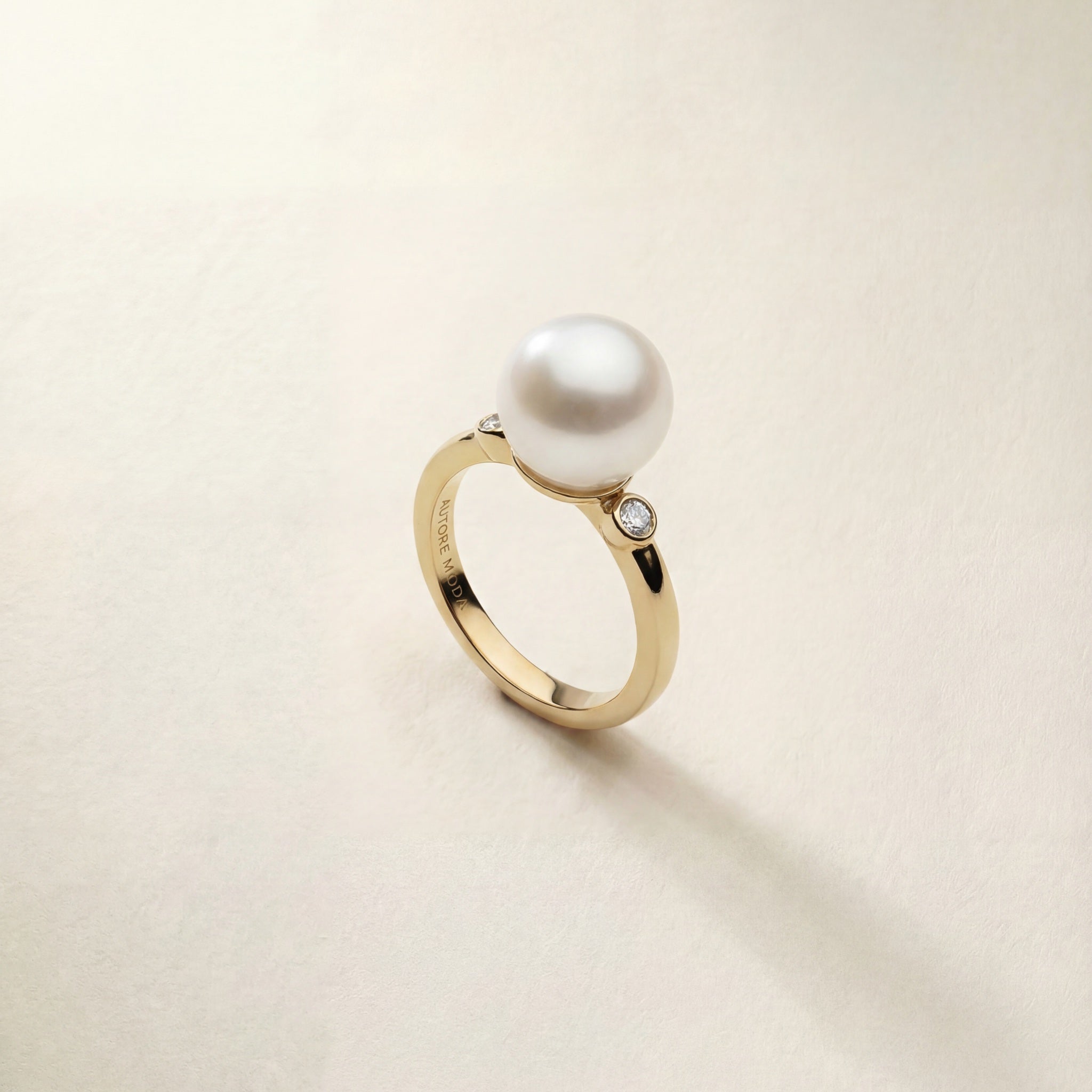
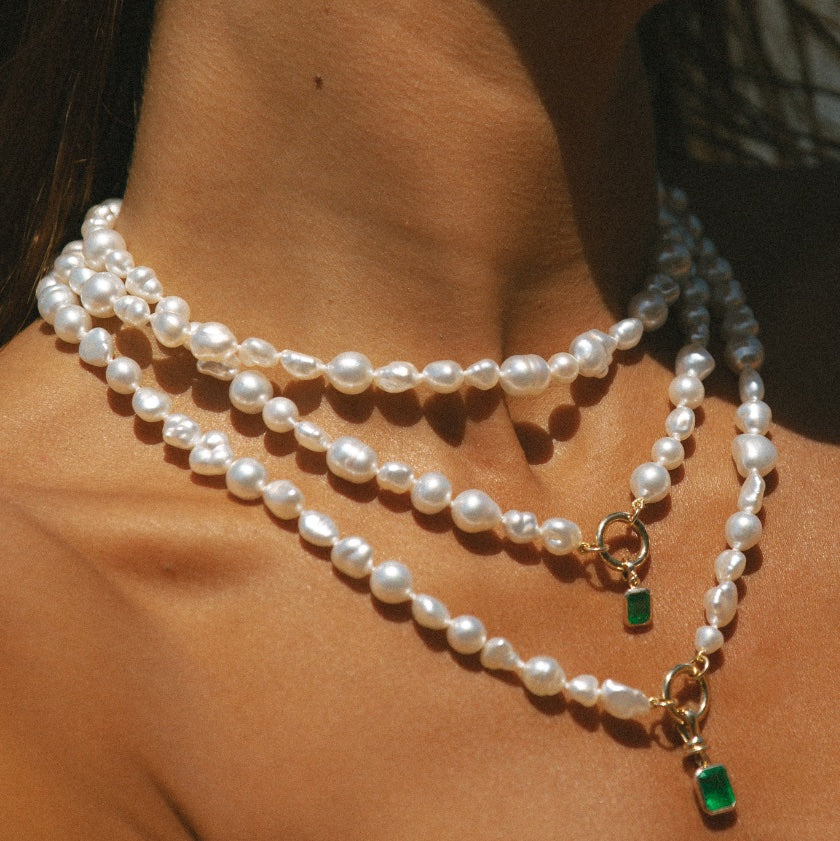
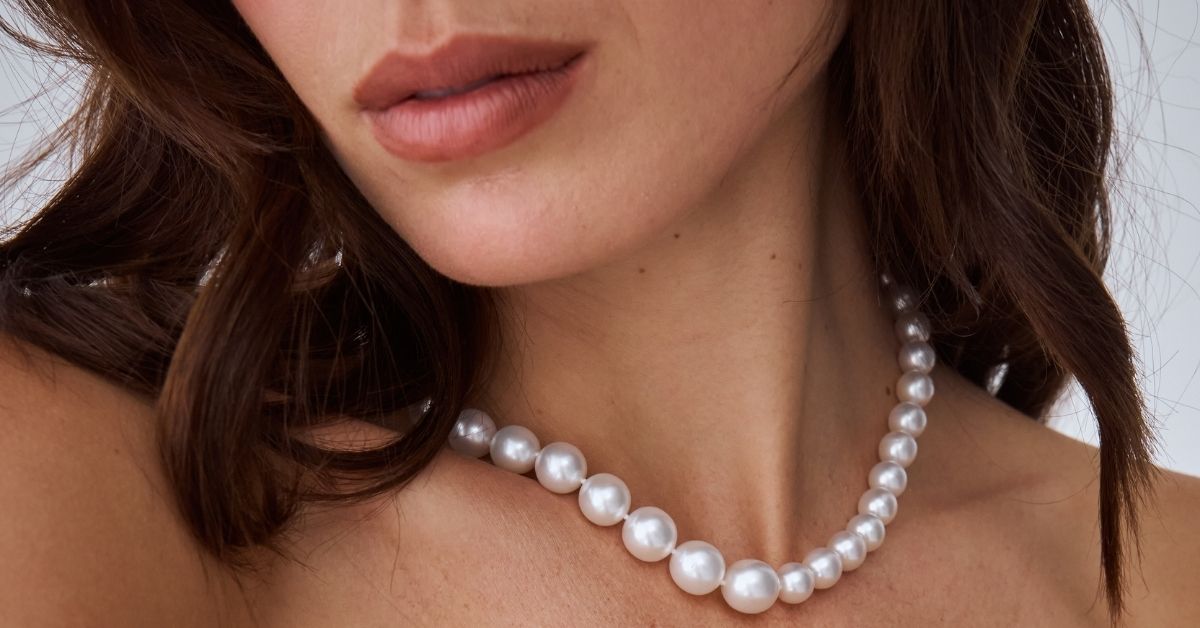
High-quality South Sea pearls. South Sea pearls are the rarest cultured pearls in the world, only one pearl grows per oyster, per multi-year cycle, and the annual global harvest is limited. Unlike other gemstones, pearl supply can't be scaled up; it's bound by biology and farming capacity. This natural scarcity is part of why well-graded South Sea pearls have historically held their value.
Solid gold. Solid 9k, 14k or 18k gold has genuine melt value tied to the gold market, meaning it will always be worth something close to its weight in gold, regardless of design trends. Gold vermeil and gold-plated pieces do not carry this same floor, the gold content is a thin layer over another metal, so resale value is less.
Natural diamonds over lab-grown. This is a genuine investment distinction, not just a natural-vs-synthetic preference. Lab-grown diamond production has scaled rapidly, and prices have fallen accordingly. In some cases by more than half over the past several years. Natural diamonds are finite by definition, which has historically supported more stable resale value, particularly for larger, well-certified stones.
Well-documented provenance. A grading certificate, a purchase receipt, and for pearls, clear information on origin or producer, all matter enormously at resale or appraisal. Buyers and valuers pay more for pieces they can verify.
If You're Buying With Value in Mind
A few practical habits make a real difference:
- Keep your receipt and any certificates in one place — for pearls, this includes any documentation of origin and grading
- Get pieces valued for insurance every few years, particularly for anything with pearls, diamonds or solid gold
- Choose classic silhouettes over highly trend-specific designs if resale value is a priority
- Buy from brands with traceable sourcing — for South Sea pearls specifically, ask where and how they were farmed
The Honest Takeaway
Jewellery is rarely a pure financial investment in the way people mean when they ask the question, you're very unlikely to sell a piece for more than you paid. But it can be a genuine store of value, particularly with pearls, solid gold and natural diamonds, especially compared to jewellery with no precious material content at all.
The more useful question might be: will you wear this for the next twenty years? Fine jewellery's real return is usually in that, not in the resale price.